Cable-Free EV Charging

Good morning folks - Happy Monday!
The Federal Communications Commission granted Tesla a waiver to use Ultra-Wideband (UWB) radio technology in its wireless EV charging system designed for the upcoming Cybercab.
Autonomous vehicles cannot depend on humans to plug them in.
And if the car drives itself, why not charge itself too?
This is a real breakthrough.
The System
Tesla’s architecture is smooth.
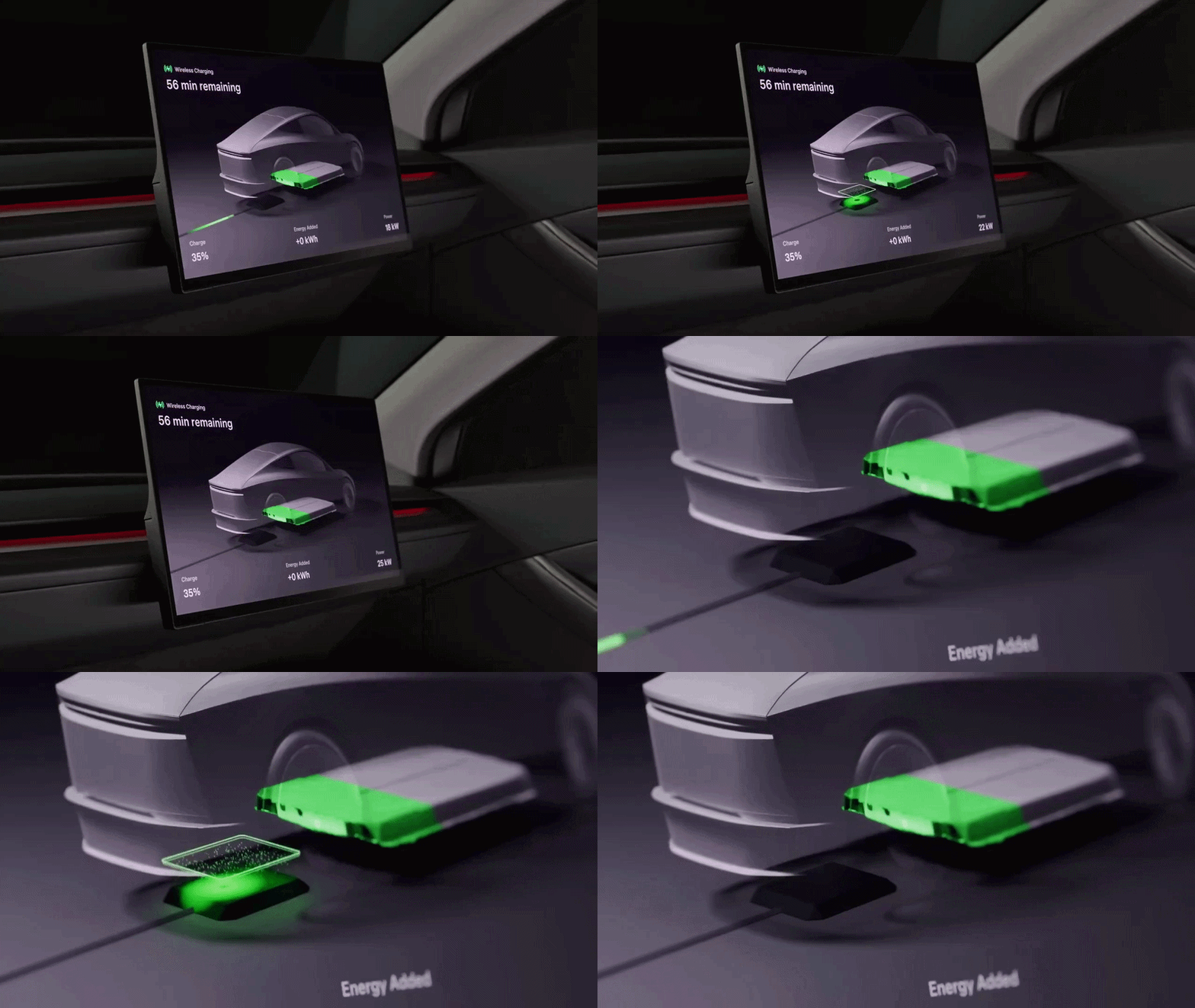
As the vehicle approaches a ground-level charging pad, it first connects via Bluetooth to identify the pad.
Then UWB activates.
The car and pad communicate at extremely short range, tracking position in real time until optimal alignment is achieved. Only then does wireless power transfer begin.
We've Seen This Before
We’ve already seen wireless charging play out.
A decade ago, wireless phone charging felt futuristic.
Now you drop your phone onto a pad and walk away.
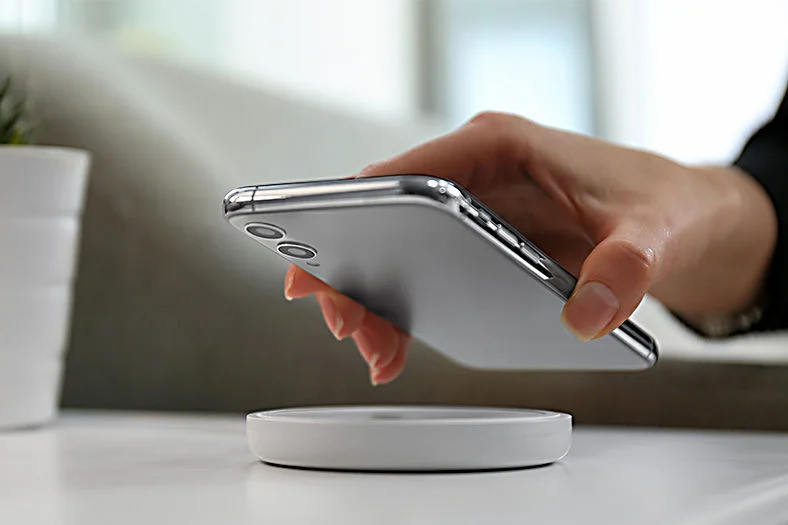
No cables. No friction.
EV charging is following the same curve, but at fleet scale.
For consumers, wireless charging is convenient.
For robotaxis, it’s essential.
A Century Early
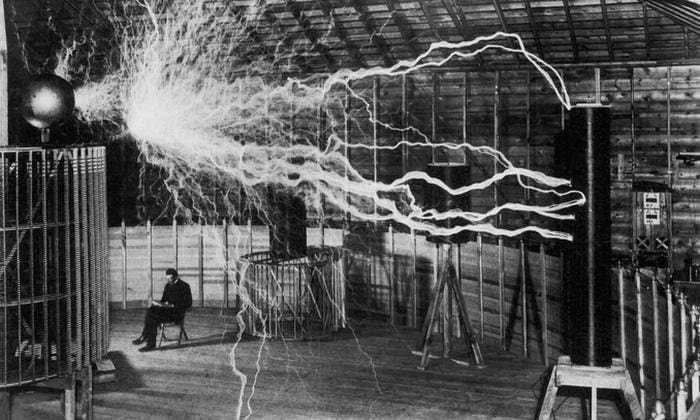
There’s also something poetic in all this.
Nikola Tesla imagined wireless transmission of energy in the early 1900s. The physics worked, but the world wasn’t ready.
Today, wireless power charges billions of devices daily.
Autonomous vehicles are next.
The Bigger Picture
The Cybercab isn’t just a car without a steering wheel.
It’s a closed ecosystem.
AI handles navigation.
UWB handles positioning.
Induction handles energy transfer.
And software orchestrates the ensemble.
No human interference required.
This is the future!

Disclosure: This is not financial advice.