Fighting Fire with Autonomy

Good morning - happy hump day!
Colorado just set a record for the most 60-degree days ever recorded in a single winter. Meanwhile, snowpack across the Rockies sits near historic lows.
Less moisture = greater fire risk.
And the threat isn’t theoretical.
Officials have already issued Red Flag warnings across parts of the state. Some regions have enacted burn bans. Emergency response teams across Colorado’s Front Range are preparing for what could be a severe wildfire season months ahead of schedule.
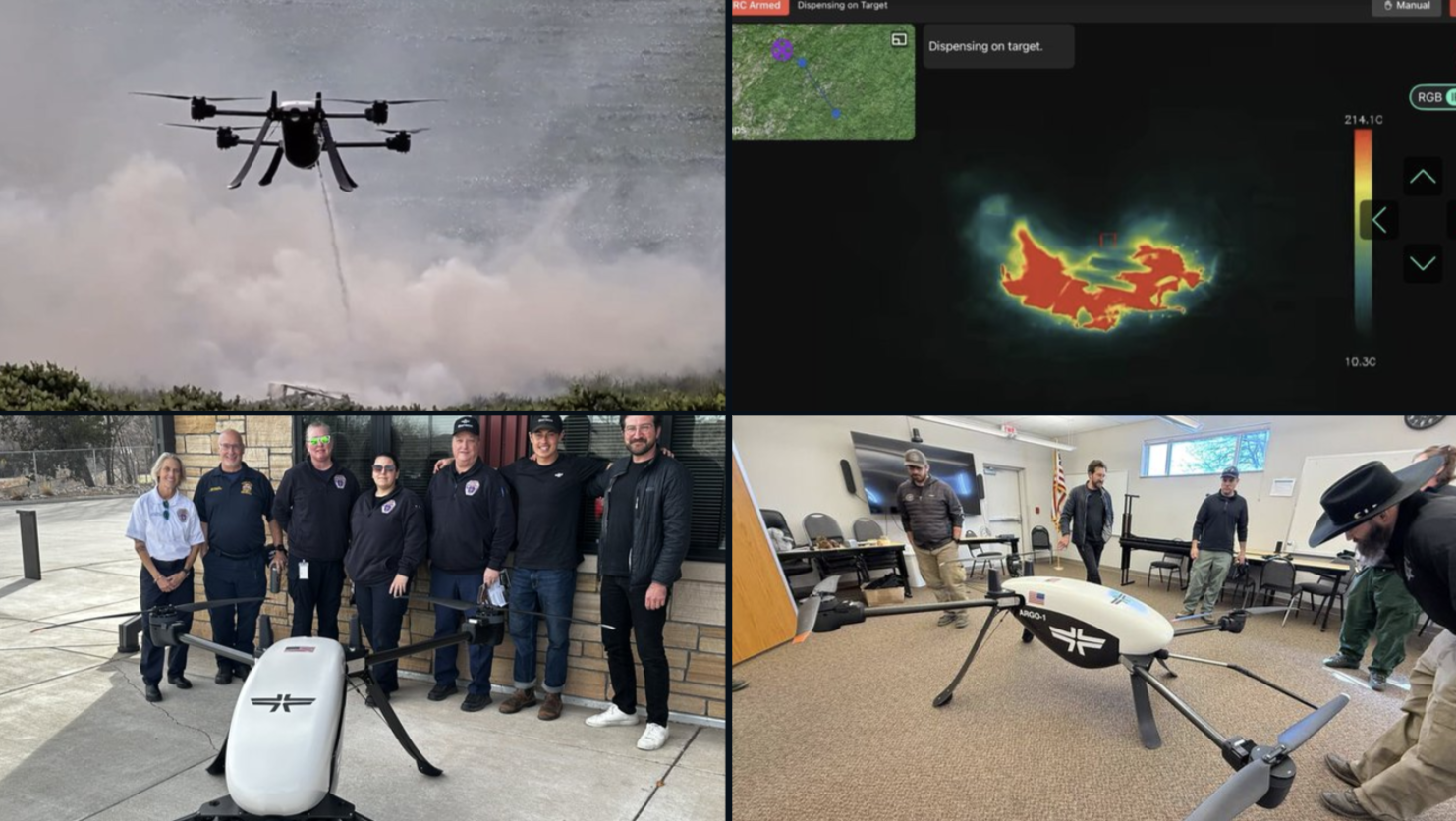
Last week, regional response leaders met with Seneca to explore innovative tools to combat the rising threat.
Wildfires pose significant economic risks.
Annual damages in the US are estimated between $400B and $900B, and that doesn’t include the secondary effects like flooding, infrastructure loss, and long-term displacement.
Seneca is deploying resilience infrastructure in real time.
A powerful example of the Aerial Economy expanding beyond commerce, into public safety, environmental defense, and critical response systems.
This is progress. And we love to see it!
In case you missed it, I published a detailed review on Seneca last November. Here’s the TL;DR,
- Autonomous drones have emerged as a major wildfire-fighting tool.
- Seneca is building fully autonomous fire-suppression aircraft powered by AI.
- The goal: attack fires within minutes — before they become disasters.
- Drones detect ignition at the ember stage, deploy suppressant foam, and provide persistent 24/7/365 aerial coverage.
- Firefighters aren’t being replaced, autonomy multiplies their reach.
Disclosure: This is not financial advice.