The Brick Phone Phase of Flight

Good morning - welcome back to the Grande Casino!
Today marks the start of the Year of the Fire Horse. It should be wild.

I’ll share my thoughts on how I see eVTOLs in today’s landscape.
But first - the AI flywheel is in full force, supercharging retail productivity, and the investing “King of Retail,” Jeff Macke, is ready.
Save your seat for his upcoming event, where he’ll reveal the next 10x opportunities.
The session begins Thursday, February 19th at 4PM ET. You don’t want to miss this!
Onward 🫡
The Brick Phone Phase of Flight
There’s a scene in the 1987 film, Wall Street.
Gordon Gekko stands barefoot on the beach, wielding a cell phone the size of a cinder block.
It’s absurd. Iconic.

That phone traces back to the Motorola DynaTAC 8000X.
It cost nearly $4,000 at launch ($12,000 in today’s dollars), and required 10 hours of charging for 30 minutes of talk time.
It was bulky, expensive, and inefficient.
And yet - it changed everything.
Proof Before Perfection
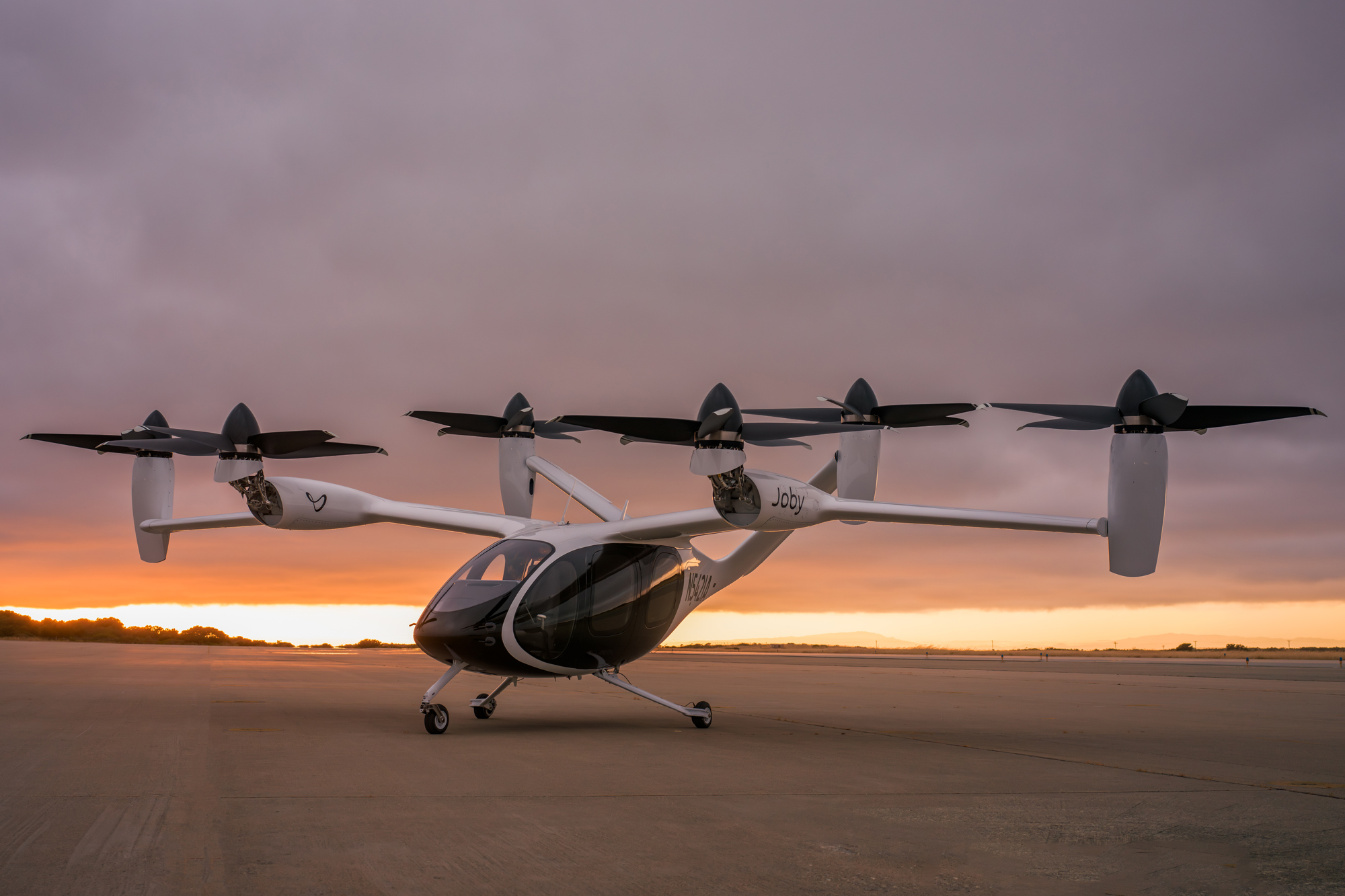
Today’s eVTOL aircraft feel a lot like that brick.
Companies like Joby Aviation, Archer Aviation, and Beta Technologies have raised billions to bring vertical flight to market. Certification is still pending. Infrastructure is limited. Range remains constrained.
You won’t commute in one tomorrow morning.
But they do fly!
They lift vertically, transition smoothly, and land with precision. The engineering works. The physics works.
First-generation technology doesn’t need to be perfect. It just needs to prove what’s possible.
The Pattern Is Familiar
The brick phone wasn’t the destination. It was the first signal the system was changing.
Hardware improved. Batteries evolved. Networks grew. And software followed suit.
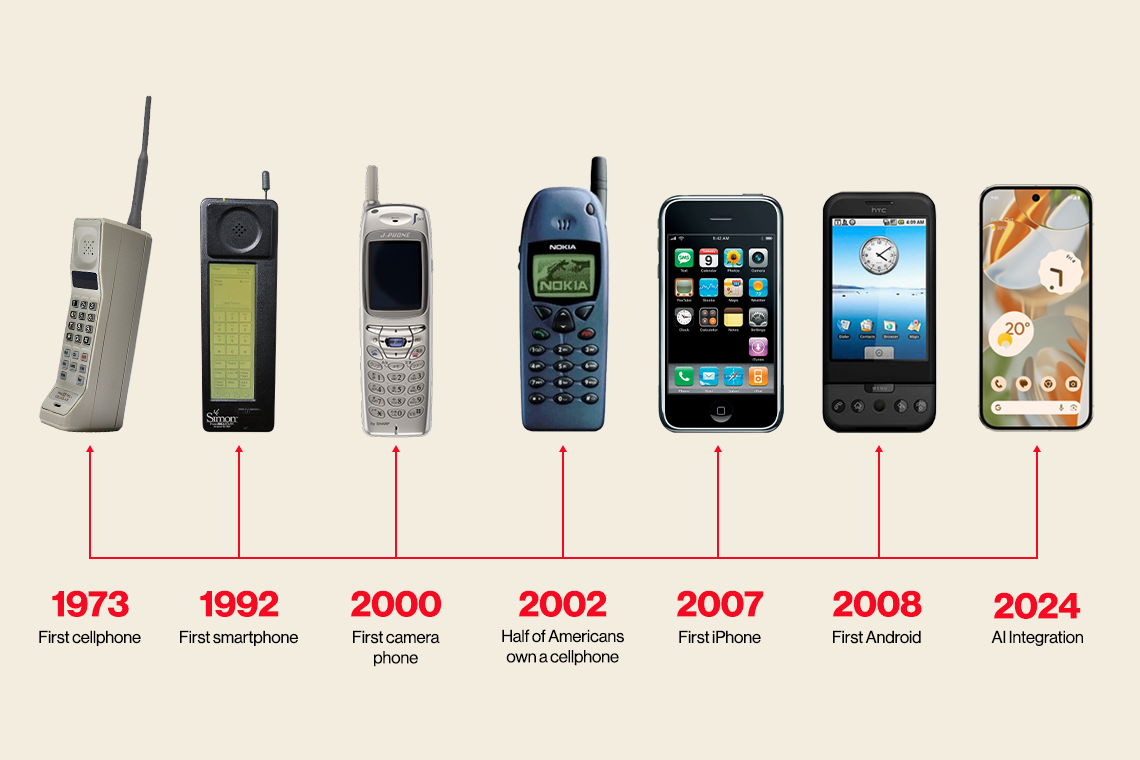
When Steve Jobs introduced the iPhone in 2007, he wasn’t improving the brick - he introduced a new platform.
Communication became computing. Computing became culture. And the economy became obsessed with attention.
No one holding the brick could see what was to come. But the trajectory had already begun.
Aviation’s Inflection
Private aviation works, but access is limited. Incredible machines exist, yet the market remains narrow.
What changes next isn’t just better aircraft. It’s the system: electrification, broader access, and eventually autonomy.
And like every major shift in aerospace, adoption begins at the edge, in military and defense.
New flight technologies typically prove themselves in high-stakes environments first. Vertical flight itself followed this path decades ago, moving from military VTOL programs into civilian helicopters.
Today’s transition is no different.
Recent conflicts have accelerated the shift.
Low-cost drones, electrified aircraft, and autonomous systems are already reshaping the economics of airpower - demonstrating precision, scalability, and radically lower operating costs.
Commercial aviation tends to follow once the technology proves reliable.
Civilian markets, however, move at regulatory speed.
Certification is the gate.
The FAA created a new “powered-lift” category and is working with manufacturers to bring passenger eVTOLs to market, yet approval in the US is unlikely before 2027.
Progress is unevenly distributed.
Joby Aviation appears furthest along, now in late-stage FAA testing.
Beta Technologies is pursuing a practical cargo-first approach that could land product-market-fit faster.
Archer, Eve, and others remain earlier in the compliance process.
The timeline is longer than early hype suggested.
But the direction is not in question.
Slowly, Then All At Once
Aviation moves at safety speed. Certification takes repetitions. Infrastructure takes time.
Revolutions rarely announce themselves early. They appear awkward. Expensive. Underwhelming.
Then they compound.
Today’s aircraft are not the “iPhone” of flight.
They are the brick.
Heavy with possibility. Imperfect by design. And essential for belief.
Slowly, then all at once.
Disclosure: This is not financial advice.